
Dolpo Cultural Heritage and Arts
Dolpo is one of the most culturally preserved regions in the Himalayas. It lies in the remote northwestern part of Nepal and is known not only for its rugged mountains but also for its strong spiritual traditions and artistic heritage. Dolpo Cultural Heritage and Arts reflect long-standing religious beliefs, craftsmanship, and cultural influences shaped mainly by Tibetan Buddhism and the ancient Bon tradition.
Because of its geographic isolation, the Dolpo cultural heritage has remained largely protected. Many monasteries, sacred monuments, and traditional craft practices have survived with little outside influence. This isolation helped preserve Dolpo's traditional arts, which continue to show the deep spiritual and artistic traditions of the region.
The Cultural heritage is therefore considered one of the most authentic in the Dolpo Himalayas. Monasteries, murals, statues, and ritual objects together form an important part of Dolpo's religious art and heritage. These cultural elements continue to represent the historical identity and spiritual life of local communities.
This article focuses on the main aspects of Art and heritage in Dolpo region, including religious artworks, heritage sites, sacred architecture, and long-standing artistic traditions that define the cultural identity of Dolpo.
Explore Dolpo’s cultural heritage and arts in a meaningful way with Dolpo Caravan Treks to understand the region’s history and spiritual roots.
What is Dolpo Cultural Heritage and Arts?
The concept of Dolpo Cultural Heritage and Arts includes both physical heritage sites and artistic traditions preserved for generations.
Key elements include:
- Monasteries, sacred monuments, and religious heritage sites
- Dolpo traditional arts that are connected to Tibetan Buddhist and Bon beliefs
- Cultural expressions preserved through long isolation
In Dolpo, cultural heritage mainly refers to religious structures, sacred objects, and artistic traditions linked to spiritual practice. This forms the core of Dolpo cultural heritage.
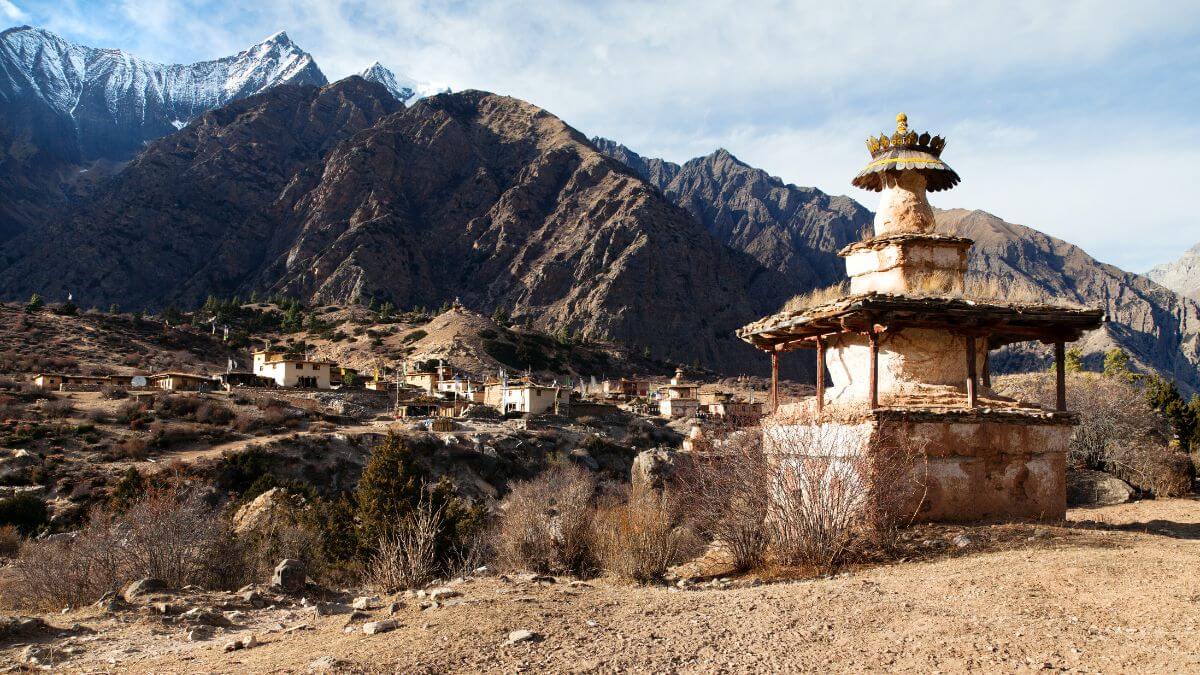
The Cultural heritage of Dolpo remains important because it preserves ancient Himalayan traditions. Monasteries, murals, and ritual objects are key parts of Dolpo religious art and heritage and continue to represent Art and heritage in the Dolpo region.
Historical Roots of Dolpo’s Cultural Heritage
The foundations of Dolpo cultural heritage go back many centuries. Archaeological evidence and oral history suggest that early settlements in the region were strongly influenced by Tibetan migration and spiritual traditions.
As communities settled in these remote valleys, monasteries began to develop as centers of spiritual learning, artistic creation, and community life. Monks and religious artisans produced sacred paintings, sculptures, and manuscripts that played important roles in teaching Buddhist philosophy.
Another important influence was the ancient Himalayan trade network. Dolpo once served as a route connecting Tibet with Nepal’s southern valleys. Through these trade routes, ideas, materials, and artistic traditions traveled between cultures. This exchange helped shape the distinctive Dolpo religious art and heritage seen today.
Monasteries and Sacred Sites of Dolpo
Monasteries and sacred sites play a central role in preserving Dolpo Cultural Heritage and Arts, serving as spiritual centers and guardians of centuries-old traditions. These ancient gompas and ritual grounds reflect the region’s deep Buddhist and Bon influences, showcasing the artistic and religious legacy of Dolpo.
Buddhist Monasteries and Gompas
Monasteries are key landmarks connected to the Dolpo Cultural Heritage and Arts. These sacred buildings, called gompas, serve as places for prayer, religious learning, and cultural preservation.
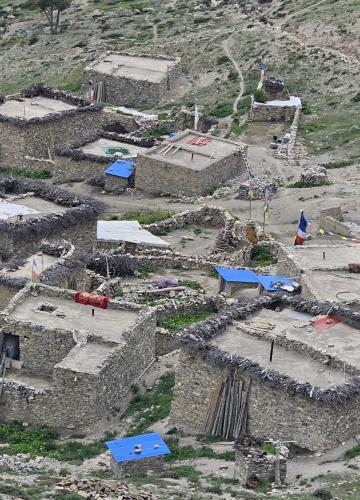
Many monasteries are built with stone walls and wooden beams. Inside, prayer halls contain murals, thangka paintings, statues of Buddhist deities, and ritual instruments used in ceremonies. These elements reflect the Dolpo traditional arts.
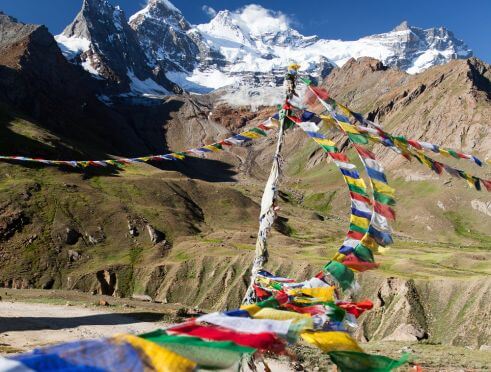
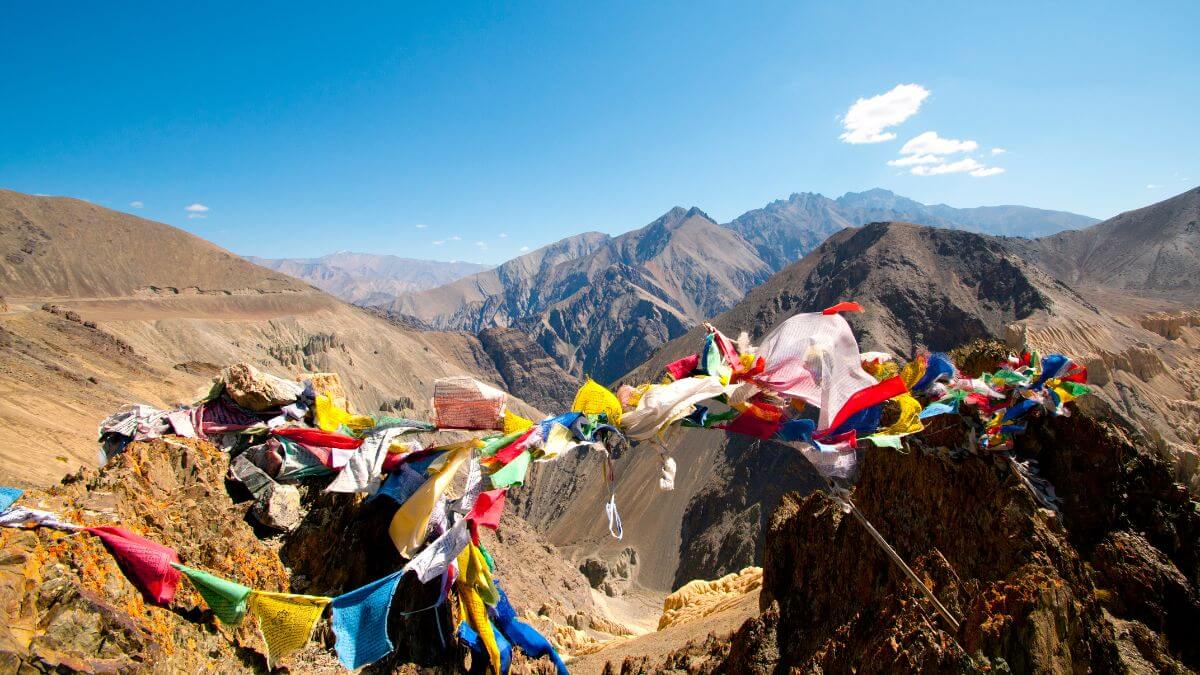
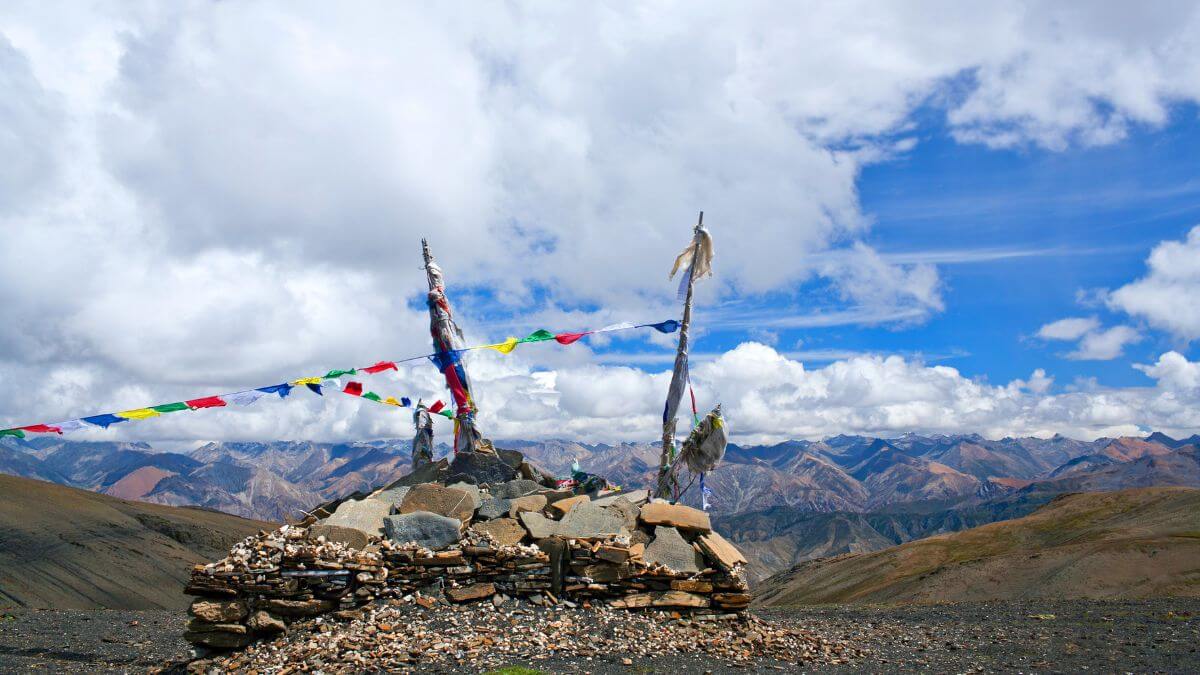
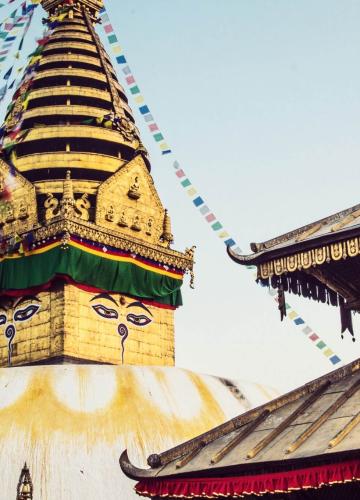
Their design also carries symbolic meaning. Prayer flags, chortens, and carved wood details are common features found across Dolpo religious art and heritage.
Bon Sacred Sites
While Buddhism is widely practiced in the Himalayas, Upper Dolpo also has a strong Bon tradition. Bon is an ancient spiritual system that existed before Tibetan Buddhism and includes its own rituals and sacred practices.
Bon monasteries and sacred sites are found in different parts of Upper Dolpo. These places may include ritual grounds, meditation caves, and ceremonial structures used for spiritual practice.
The presence of both lifestyle and traditions adds depth to Dolpo Cultural Heritage and Arts and forms an important part of the Cultural heritage of Dolpo.
Religious Art Forms of Dolpo
Religious art plays an important role in the Dolpo Cultural Heritage and Arts. These artistic forms express spiritual ideas through visual symbols and sacred designs. Many examples of Dolpo traditional arts appear in monasteries and religious spaces across the region.
Thangka Paintings and Murals
One of the most well-known forms of Dolpo traditional arts is thangka painting. Thangkas are sacred paintings made on cloth or silk and used for teaching and meditation.
These paintings often show Buddhist deities, mandalas, spiritual teachers, and symbolic landscapes. Many of these artworks form part of the Dolpo religious art and heritage.
Murals inside monasteries serve a similar role. These large wall paintings display religious stories, cosmological diagrams, and teachings that reflect the Cultural heritage of Dolpo.
Sculptures and Sacred Objects
Sculptures and ritual objects form an important part of Dolpo religious art and heritage and are commonly found inside monasteries.
Common sacred items include:
- Statues of Buddhas and bodhisattvas
- Prayer wheels with sacred mantras
- Ritual instruments used during ceremonies
- Sacred masks and ceremonial tools
These objects are usually made from wood, clay, bronze, or metal. They reflect the spiritual traditions connected to Dolpo Cultural Heritage and Arts.
Traditional Craftsmanship and Material Arts
In addition to paintings and sculptures, Dolpo traditional arts also include local craftsmanship used in religious settings.
Artisans produce handwoven wool textiles, prayer flags, yak wool weaving, carpets, traditional clothing, metal ritual objects, and decorative items used in monasteries and festivals. These crafts follow techniques passed down through generations.
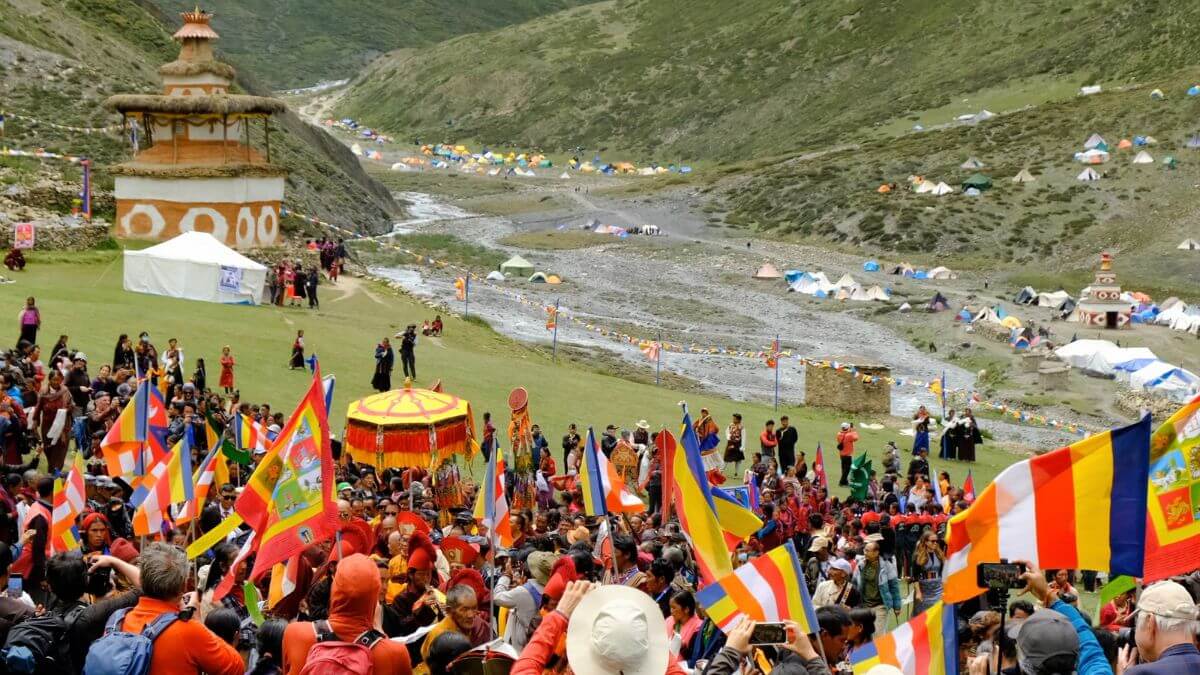
Many of these items serve both practical and symbolic purposes and remain part of Art and heritage in Dolpo region.
Oral Heritage and Artistic Expression
Not all Dolpo Cultural Heritage and Arts are physical. Some traditions continue through oral practices. Monks and spiritual leaders pass down chants, hymns, and ritual recitations during ceremonies and gatherings. These practices help preserve spiritual teachings.
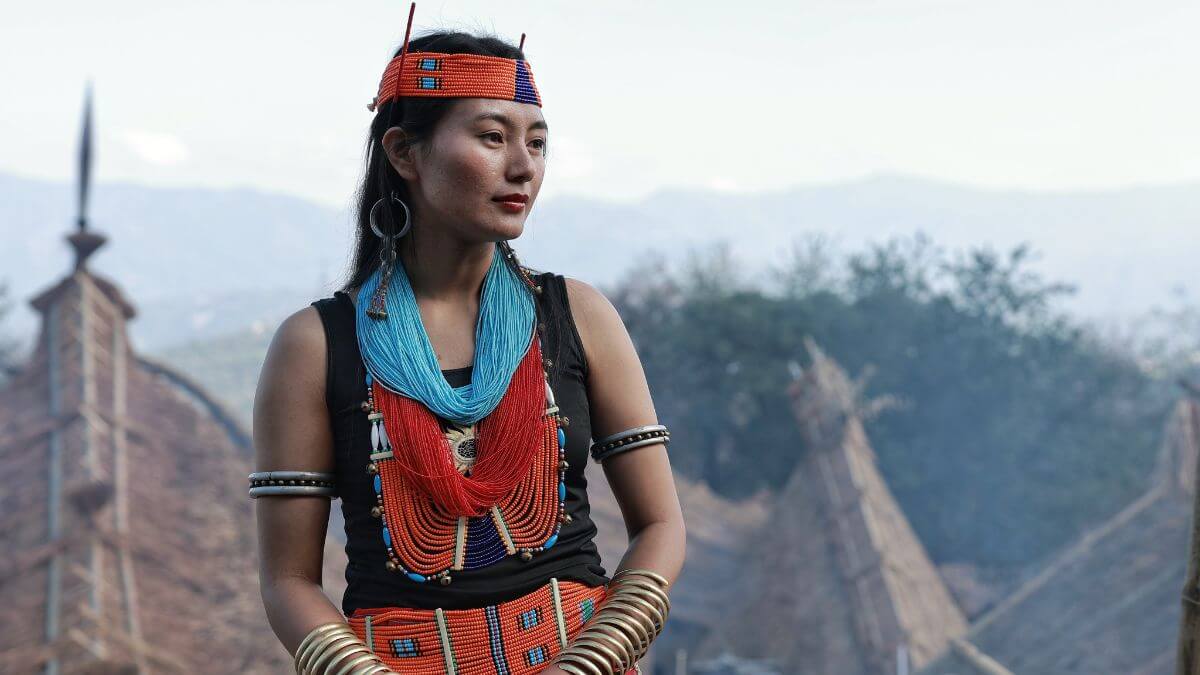
Many teachings are shared through memorization and recitation instead of written texts. These traditions remain part of Dolpo religious art and heritage and reflect the Cultural heritage of Dolpo.
Preservation of Dolpo Cultural Heritage
The Dolpo cultural heritage faces several modern challenges. Climate change, changing lifestyles, and tourism can affect heritage sites. Some monasteries and sacred structures need restoration due to environmental exposure. Fewer people from Dolpo may continue traditional crafts as younger generations leave the region.
Local communities and monks continue efforts to protect these traditions and preserve Art and heritage in Dolpo region.
When and How to Experience Dolpo’s Cultural Heritage
Travelers who want to see the Dolpo Cultural Heritage and Arts should consider both timing and cultural respect.
Spring and autumn are the best seasons to visit. During these months, the weather is stable, and trekking routes to monasteries and heritage sites are accessible.
When visiting sacred places connected to the Dolpo cultural heritage, basic etiquette should be followed:
- Remove shoes before entering the monastery interiors
- Do not touch sacred objects without permission
- Maintain quiet and respectful behavior
- Ask permission before taking photographs
Upper Dolpo contains many ancient monasteries and Bon heritage sites. Lower Dolpo provides easier access while still showing important parts of Art and heritage in Dolpo region.
Book Your Cultural Journey with Dolpo Caravan Treks
Dolpo Caravan Treks organizes guided journeys that focus on Dolpo Cultural Heritage and Arts. With local knowledge and experience in the region, the team helps visitors explore monasteries, sacred art, and heritage sites across Dolpo.
The journeys focus on understanding the Dolpo cultural heritage rather than simple sightseeing. Travelers can experience monasteries, religious art, and traditional sites connected to Art and heritage in Dolpo region.
Dolpo Caravan Treks supports responsible travel that respects local traditions and preserves the Cultural heritage of Dolpo. Contact us for further inquiry.
FAQs
What is included in the Dolpo cultural heritage?
Dolpo cultural heritage includes monasteries, sacred monuments, religious art, oral traditions, and traditional craftsmanship connected to spiritual practices.
Are Bon and Buddhist heritage sites found in the same areas?
Yes. Upper Dolpo contains both Buddhist monasteries and Bon sacred sites, showing the coexistence of these traditions within Dolpo Cultural Heritage and Arts.
What types of religious art are unique to Dolpo?
Thangka paintings, monastery murals, ritual sculptures, prayer wheels, and ceremonial objects are key parts of Dolpo religious art and heritage.
Can visitors enter monasteries in Dolpo?
In many cases, visitors can enter monasteries, but respectful behavior and permission from monks are important.
How old are the monasteries in Upper Dolpo?
Some monasteries date back several centuries and preserve old paintings, manuscripts, and sculptures connected to the Cultural heritage of Dolpo.
Is the Dolpo cultural heritage protected by the government?
Some heritage sites fall under protected cultural or conservation areas, although many preservation efforts are supported by local communities, monasteries, and Shey Phoksundo National Park.
What is the best time to explore Dolpo’s heritage sites?
Spring and autumn are generally the best seasons to visit and experience Art and heritage in Dolpo region.
How can travelers help preserve Dolpo’s cultural arts?
Visitors can help by respecting sacred places, following local guidance, and supporting responsible tourism practices.



Leave Your Comment